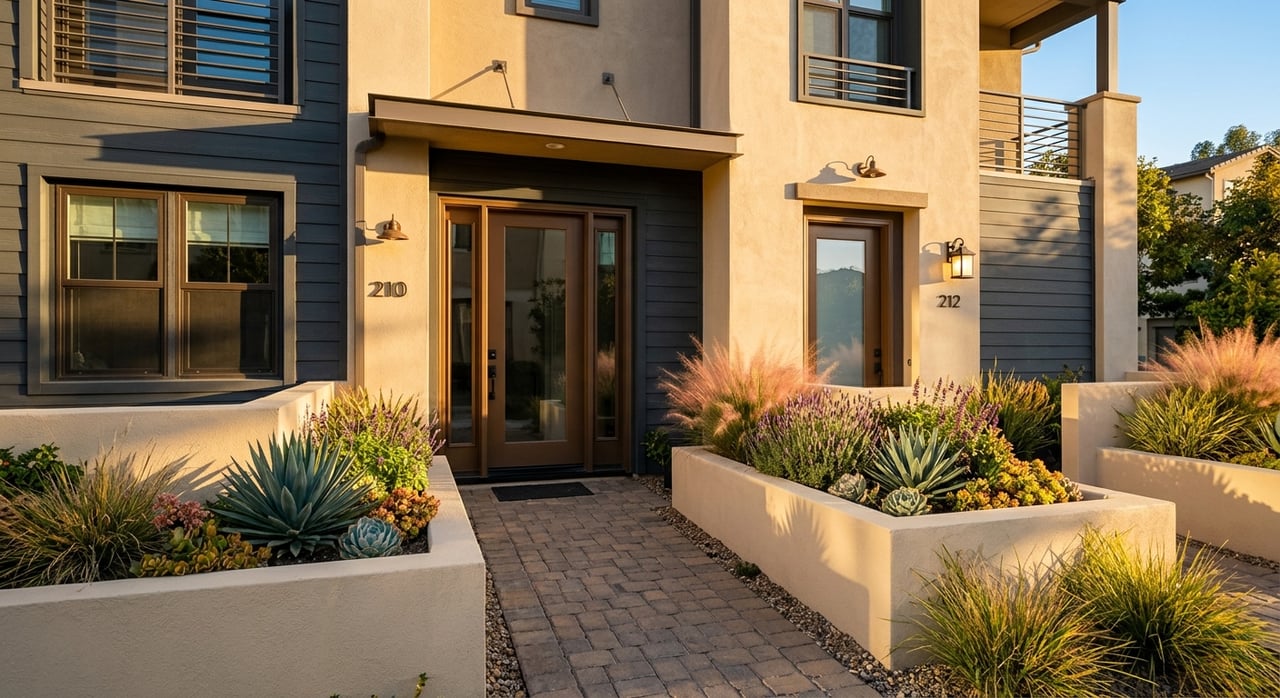
Townhome Or Single-Family Home In Windsor?
May 14, 2026
May 14, 2026
If you are deciding between a townhome and a single-family home in Windsor, you are not just choosing a floor plan. You are choosing how much maintenance you want, how much control you need, and what kind of flexibility may matter later. In a market where detached homes dominate the listings, it helps to look past the photos and understand what ownership really means. Let’s dive in.
Windsor’s current inventory leans much more heavily toward detached homes than attached options. Zillow’s active snapshot shows 51 single-family listings, compared with 4 townhomes and 6 condos, and Zillow reports an average Windsor home value of $804,764 with homes going pending in about 21 days.
That matters because your choices may feel broader if you are shopping for a detached home. At the same time, townhomes can offer an important price entry point, with active Windsor townhome listings starting around the mid-$400,000s, while single-family homes begin around the low-$600,000s and rise into the multi-million-dollar range.
There can be some overlap at the lower end of the market. But as you move up in size, yard space, and land control, detached homes usually open up more options.
In California, the word townhome describes a style, not a legal ownership category. The California Department of Real Estate says a townhome-style property can be created as either a condominium or a planned development.
That distinction matters more than many buyers expect. A home that looks detached may still be part of a common-interest development, while an attached home may come with different ownership rights depending on how the project was structured.
According to the California DRE, buyers should not rely on exterior appearance alone to understand what they own. The ownership structure affects your control over the property, your responsibilities, and how shared areas are managed.
Here is the basic breakdown from the California DRE:
If you buy into a common-interest development, membership in the association is automatic. That means the real question is often not just whether the property is attached or detached, but what legal structure comes with it.
For many buyers in Windsor, the biggest tradeoff is not style. It is monthly cost and maintenance responsibility.
Townhomes and condos often reduce the amount of exterior upkeep you handle yourself. That can be appealing if you want a more lock-and-leave lifestyle or simply do not want to spend weekends on yard work and exterior repairs.
But attached-home living often comes with HOA dues and shared governance. Fannie Mae notes that HOA fees are usually paid separately from the mortgage, and property taxes are usually not included in those fees. In other words, your true monthly housing cost may include your mortgage, taxes, insurance, and HOA dues.
The CFPB also notes that HOA dues can vary widely and that unpaid dues can lead to collection efforts and even foreclosure. So if you are comparing a townhome with a detached home, it is important to compare the full monthly picture, not just the list price.
If you are considering a Windsor townhome or condo, ask these questions early:
Fannie Mae also advises buyers to ask whether the project is warrantable, since condo financing can depend on the project’s governance and condition.
Many buyers assume a single-family home means complete independence. Sometimes that is true, but not always.
The California DRE notes that some planned developments include detached homes along with private streets, common areas, or shared amenities maintained by an HOA. So even if the house stands on its own lot, there may still be association rules, dues, and shared maintenance obligations.
That is why one of the smartest questions you can ask while touring a detached home in Windsor is simple: Is there an HOA anyway? If there is, you will want to know what it covers and what rules apply before you get too far down the road.
Your daily routine can help point you toward the right choice.
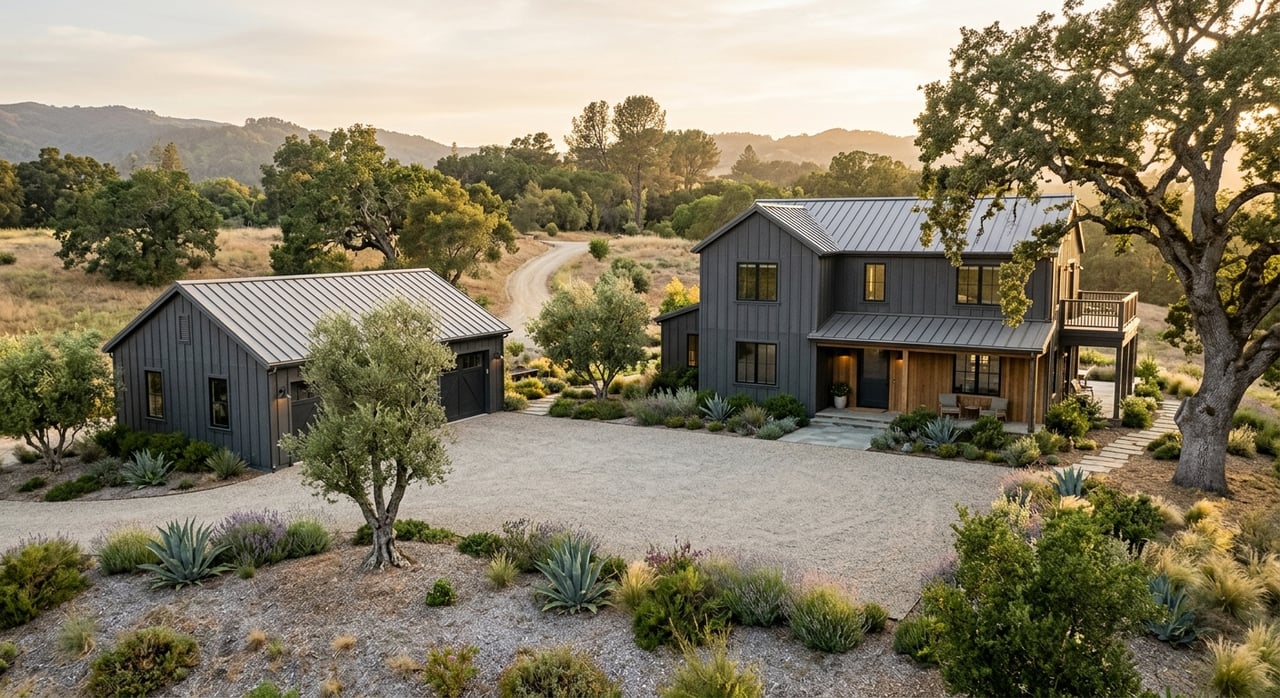
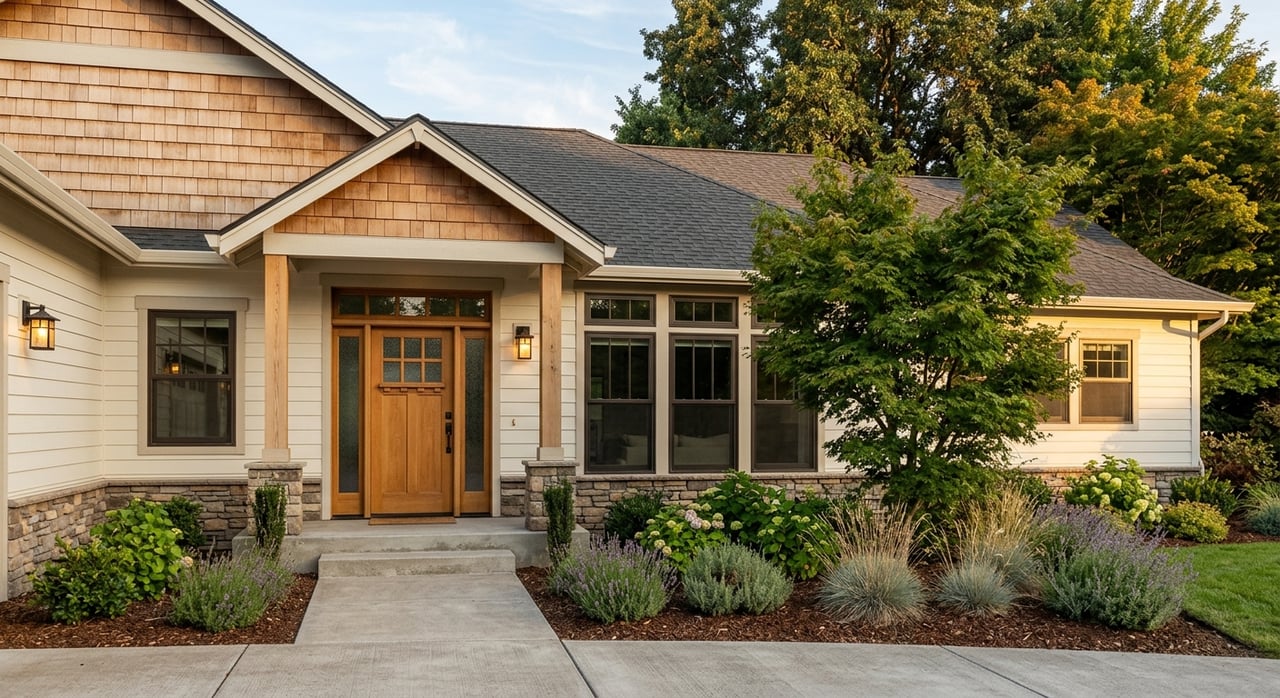
Detached homes usually offer more room for private yards, extra storage, parking, pets, and future outdoor projects. If you value autonomy and want more control over your exterior space, a single-family home may fit your lifestyle better.
Townhomes and condos often trade some of that independence for convenience. The California DRE notes that patios, balconies, porches, and similar spaces can be exclusive-use common area rather than fully private land, and many planned developments include private streets or shared recreation areas maintained by the HOA.
That setup can be a real advantage if you want less exterior work. But it can also mean more limits on exterior changes and less individual control over the look and use of those spaces.
A Windsor townhome may be a strong fit if you:
A Windsor single-family home may be a better fit if you:
In Windsor, the single-family versus townhome decision also connects to what a parcel may legally support over time. The Town of Windsor says its zoning code controls permitted uses and development standards such as parcel size, setbacks, building height, and parcel coverage.
The Town’s recent zoning update also added lot-depth and building-envelope requirements into the code. For buyers, that means long-term flexibility depends not just on the house itself, but also on the parcel and the rules attached to it.
If you are buying with future plans in mind, this becomes a major part of the decision. You may want to add an ADU, expand the home, or explore other options later, and those possibilities are never automatic.
Windsor’s Planning Division offers ADU guidance and recommends submitting concept site plans and elevations for privacy and design feedback before permit submission. That is a practical reminder that lot-level flexibility depends on local standards and review.
Windsor’s SB 9 FAQ adds another important layer. The Town says SB 9 can require ministerial approval for two residential units on a single-family-zoned lot or a subdivision of a single-family lot into two parcels in some cases, but SB 9 does not override CC&Rs or HOA rules and is limited in sensitive areas such as wetlands, flood plains, prime farmland, and high fire hazard severity zones.
So if long-term flexibility is part of your plan, a detached home may offer more possibilities, but you still need to verify what the lot, zoning, and any HOA rules actually allow.
Another practical difference is the amount of paperwork and due diligence involved.
For common-interest developments in California, Civil Code Section 4525 requires sellers to provide governing documents, budget and assessment documents, statements of current assessments and fees, disclosure of rental restrictions, board minutes if requested, and the latest inspection report. In many cases, attached-home purchases require more document review than a typical detached-home purchase.
That does not make townhomes a worse choice. It just means you should expect the decision process to include a close look at HOA finances, rules, insurance, maintenance responsibilities, and the overall health of the project.
In today’s Windsor market, townhomes often appeal to buyers who want a lower-maintenance lifestyle and a lower starting price. Single-family homes often appeal to buyers who prioritize yard space, autonomy, and more room for future change.
Neither option is universally better. The right fit depends on how you want to live now, what you want your monthly cost to look like, and how much flexibility you may want later.
A steady buying strategy starts with the right questions. If you want help comparing Windsor townhomes, detached homes, HOA structures, and lot potential, Joe Henderson can help you look past the listing photos and make a clear, confident decision.
Stay up to date on the latest real estate trends.
Work with Joe Henderson and experience the difference of true professionalism and consistency in service. Your goals are our mission—partner with Joe for a seamless, rewarding real estate journey.