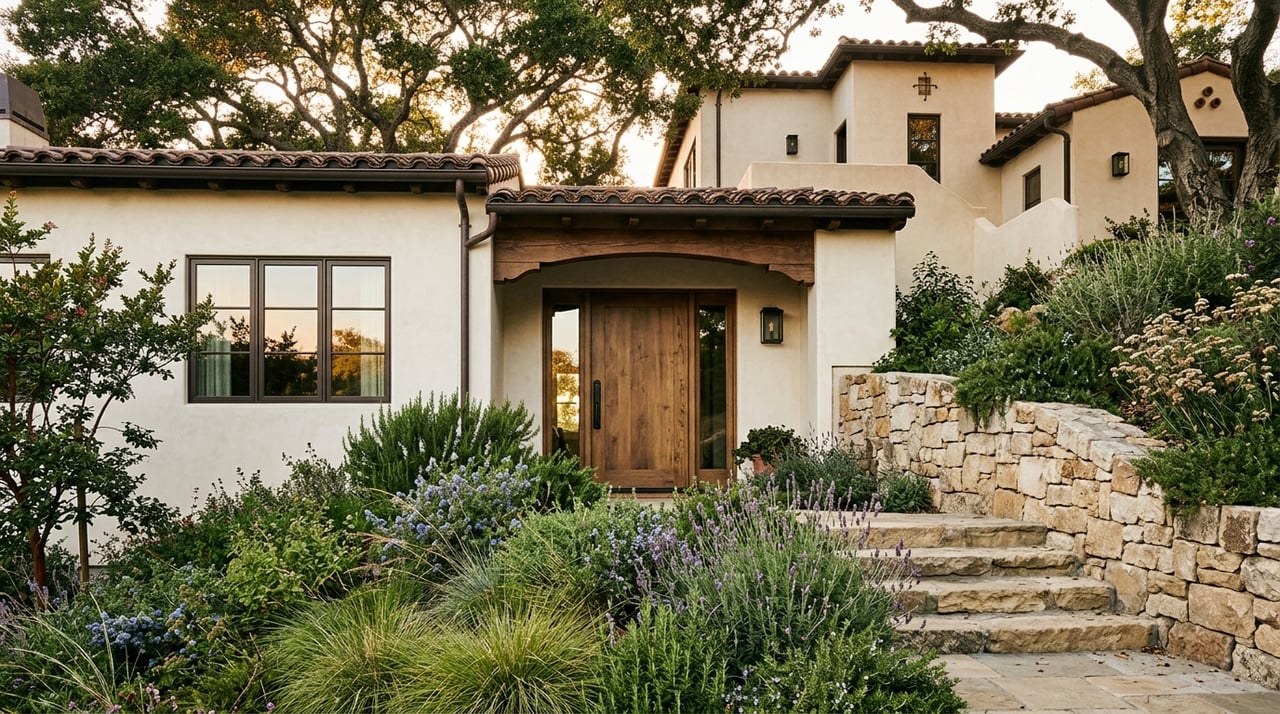
Discover Santa Rosa’s Distinct Wine Country Neighborhoods
April 23, 2026
April 23, 2026
If Santa Rosa feels hard to pin down, that is because it is. Rather than one uniform housing market, Santa Rosa is a city made up of many distinct pockets, each with its own rhythm, setting, and lifestyle appeal. If you are trying to figure out where you fit best, this guide will help you compare the city’s most recognizable wine country pockets and think more clearly about what daily life could look like in each one. Let’s dive in.
Santa Rosa is the largest city in Sonoma County and serves as the county seat, but it is not defined by one single neighborhood identity. According to the city, Santa Rosa includes more than 40 unique neighborhoods and commercial districts, which is why your experience can vary so much from one area to another. You can explore that broader city context through Santa Rosa’s economic profile.
For buyers, that matters because choosing the right area is often less about broad citywide labels and more about matching your lifestyle to the right pocket. Some areas feel historic and walkable, some feel elevated and view-oriented, and others lean into parks, recreation, and everyday convenience.
If you are drawn to character, older architecture, and a more connected street feel, Santa Rosa’s historic core stands out. This part of the city includes Downtown, Railroad Square, Cherry Street, St. Rose, and West End, all of which are tied closely to Santa Rosa’s early development and preservation story.
The city’s Historic Walking Tour highlights these as some of Santa Rosa’s oldest neighborhoods and preservation districts. The same city resource notes eight designated historic districts overall, including Cherry Street, Railroad Square, St. Rose, and West End.
In practical terms, these neighborhoods tend to offer tighter street grids, older homes, and a stronger sense of local history. Cherry Street is described by the city as one of Santa Rosa’s oldest neighborhoods and as having the city’s highest concentration of 19th-century buildings. St. Rose includes homes dating from 1872 to the 1940s, while West End is described as a largely intact working-class neighborhood with bungalows and Queen Anne cottages.
This pocket also benefits from close access to the city’s cultural and commercial center. The city describes Downtown and Railroad Square as major hubs for dining, retail, entertainment, hospitality, and nightlife.
This part of Santa Rosa often appeals to buyers who care most about:
If you picture your ideal lifestyle as being able to enjoy downtown amenities without feeling disconnected from Santa Rosa’s historic roots, this pocket is often where the search starts.
If your version of wine country living includes elevation, wider views, and a quieter residential setting, Santa Rosa’s hillside areas may feel like a better match. Fountaingrove, Oakmont, and Skyhawk each fit into this broader category, though they offer very different experiences.
These neighborhoods are not interchangeable. One may feel more custom and hillside-driven, another more amenity-based, and another more suburban with park access.
The city defines Fountaingrove as a broad north-side area bounded by city limits on three sides and by Fountaingrove Parkway, the Keysight Technology campus, and Chanate Road to the south. City descriptions of project sites in the area also emphasize sloped terrain and natural vegetation, which helps explain why the area often feels more elevated and visually open than the historic core.
Fountaingrove’s identity is also tied to recovery, reinvestment, and hillside living. The city’s neighborhood groups page notes active community groups in the area, including Fountaingrove II, which emphasizes native vegetation, habitat preservation, and fire safety.
For buyers, that often translates into a pocket where views, newer construction in some sections, and wildfire awareness all play a meaningful role in the decision.
Oakmont is a distinct lifestyle pocket within east Santa Rosa. According to Oakmont Village, it is an active adult community with more than 4,500 residents, over 100 clubs, multiple recreation facilities, and views connected to the Valley of the Moon setting.
Instead of feeling like a typical subdivision, Oakmont often feels more like a self-contained lifestyle village. If you are specifically looking for an active adult community with organized amenities and a strong sense of structure, Oakmont offers a very different experience from other Santa Rosa neighborhoods.
On the eastern edge of Santa Rosa, Skyhawk has a newer and more suburban feel. The city maps Skyhawk-Piedmont as a defined residential area and highlights Skyhawk Community Park, which includes grass areas, a playground, and a soccer field.
Compared with the historic core, Skyhawk tends to feel less urban and more residential in layout. Buyers often consider it when they want neighborhood park access and an edge-of-city setting.
When you explore these neighborhoods, pay close attention to:
These factors can shape daily life as much as the house itself, especially in hillside and edge-of-city settings.
If you want a balance of neighborhood convenience and outdoor access, Santa Rosa’s east and southeast areas deserve a close look. Bennett Valley, Rincon Valley, and the areas connected to Howarth Park and Spring Lake each offer a different take on that lifestyle.
This part of Santa Rosa often appeals to buyers who want room to settle into routines while staying close to parks, trails, and recreation.
Bennett Valley has a strong recreation-oriented identity. The city’s neighborhood groups page notes local beautification efforts, and the Bennett Valley Golf Course page describes a 150-acre, 18-hole course with a driving range and restaurant and event facility in southeast Santa Rosa.
The golf course sits within Galvin Community Park, which also includes dog parks, a fly-casting pond, sports fields, tennis, and picnic areas. That mix gives Bennett Valley a well-rounded lifestyle feel that blends residential comfort with built-in recreation.
Rincon Valley feels more daily-needs oriented than historic or destination-driven. The city’s shopping and commercial areas page lists Montecito Shopping Center as serving Rincon Valley and Saint Francis Shopping Center as serving both Rincon Valley and Skyhawk.
The area also connects to Rincon Valley Community Park and nearby library access, which adds to the sense of convenience. For many buyers, this pocket stands out because it supports everyday routines without feeling far removed from parks and open space.
For buyers who want stronger trail and recreation access, the eastern side of Santa Rosa offers some of the city’s best-known outdoor amenities. The city describes Howarth Park as a 138-acre community park with Lake Ralphine, trails, playgrounds, fishing, boating, and rides.
That same resource connects readers to Spring Lake, which offers nearly 10 miles of trails, boating, camping, a seasonal swimming lagoon, and links to Trione-Annadel State Park. Taken together, these amenities shape a pocket of Santa Rosa where nature access is part of regular life, not just an occasional outing.
If you want an even stronger landscape connection, southeast Santa Rosa opens toward regional open space. Sonoma County Regional Parks describes Taylor Mountain Regional Park and Preserve as a prominent southeast Santa Rosa landmark with panoramic city views.
This edge-of-city relationship is part of what makes the east and southeast pockets so appealing. You can still be grounded in neighborhood living while staying close to some of the area’s most recognizable outdoor destinations.
The best way to compare Santa Rosa neighborhoods is not by asking which one is best. It is by asking which one fits the way you want to live.
A helpful shorthand looks like this:
That is not a ranking. It is a practical way to narrow your search based on your priorities.
As you evaluate Santa Rosa’s distinct pockets, keep your focus on how each area supports your actual routine. A neighborhood can look great on paper and still miss the mark if it does not align with how you want to spend your time.
Ask yourself:
The more clearly you answer those questions, the easier it becomes to sort Santa Rosa into the pockets that truly deserve your attention.
Santa Rosa’s appeal comes from its variety. You can explore historic districts with deep roots, hillside neighborhoods with a more elevated feel, or park-oriented areas that make outdoor access part of daily life.
If you are planning a move within Sonoma County or relocating to wine country, local guidance can help you compare these pockets with more clarity and less guesswork. If you want help narrowing your options and matching your goals to the right Santa Rosa neighborhood, connect with Joe Henderson.
Stay up to date on the latest real estate trends.
Work with Joe Henderson and experience the difference of true professionalism and consistency in service. Your goals are our mission—partner with Joe for a seamless, rewarding real estate journey.