Leave a Message

By providing your contact information to Joe Henderson, your personal information will be processed in accordance with Joe Henderson's Privacy Policy. By checking the box(es) below, you consent to receive communications regarding your real estate inquiries and related marketing and promotional updates in the manner selected by you. For SMS text messages, message frequency varies. Message and data rates may apply. You may opt out of receiving further communications from Joe Henderson at any time. To opt out of receiving SMS text messages, reply STOP to unsubscribe.

Thank you for your message. I will be in touch with you shortly.

Selling A Healdsburg Home With Acreage Or Vineyard

March 12, 2026

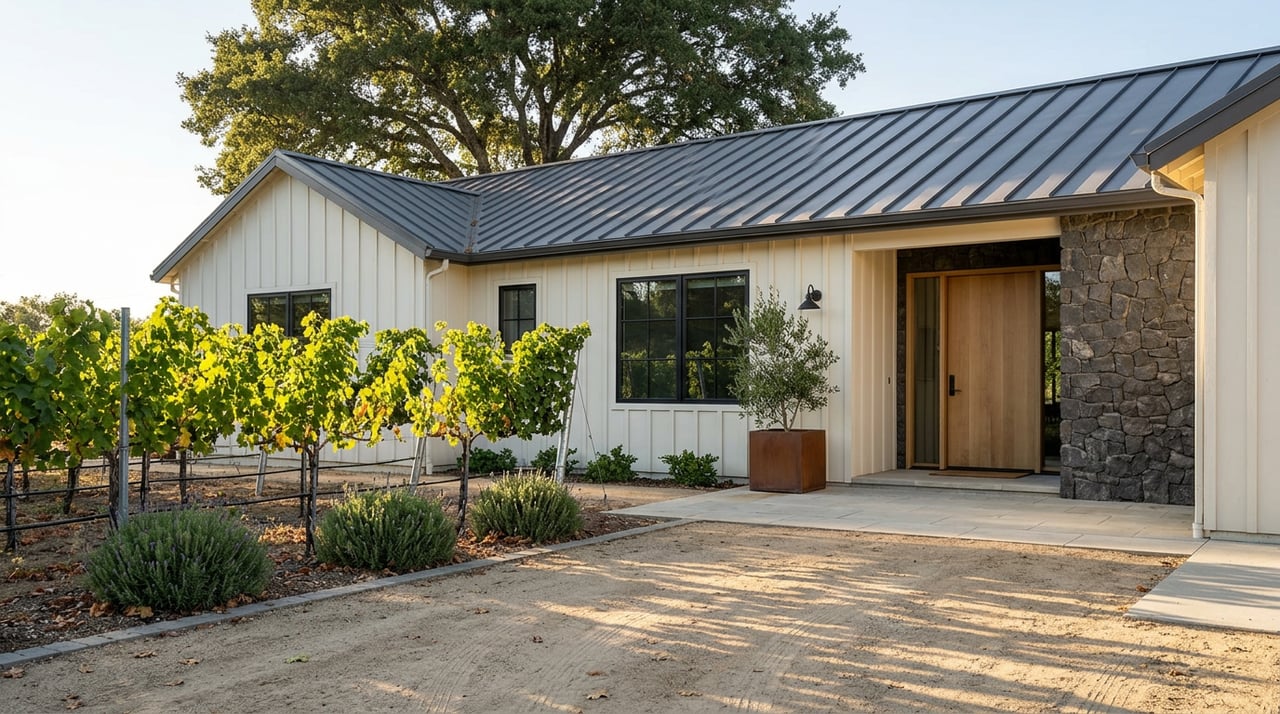
Selling a Healdsburg home with acreage or a vineyard is different from selling a typical in-town property. You are marketing land, water, infrastructure, and agricultural potential along with a residence. That can feel complex, especially if you are balancing timing, records, and operational work in the vineyard. This guide gives you a clear plan for what serious buyers expect, which permits and disclosures matter, and how to prepare for a smooth, confident sale. Let’s dive in.

Market snapshot and buyer demand

Healdsburg sits in a premium corner of Sonoma County, and that shows up in pricing. Recent local reports place typical single-family median sale values for the town area in early 2026 in the roughly 1.2 to 1.8 million dollar range, with month-to-month variation tied to small samples and luxury mix. You can review current regional stats in the BAREIS MLS area reports for context on pricing and activity summarized here.

Who buys acreage and vineyard properties here? Common profiles include Bay Area relocators making a lifestyle move, second-home buyers, local move-up owners who value proximity to downtown Healdsburg, and specialized investors or winery operators. Properties that combine a quality home, usable acreage, and well-documented vineyard blocks tend to earn a premium with lifestyle buyers, especially when water and permits are clear.

Know your land-use and permits

Confirm parcel jurisdiction

Start by confirming if your parcel is inside Healdsburg city limits or in unincorporated Sonoma County. Many lifestyle properties are under County jurisdiction through Permit Sonoma. Rules for agricultural and visitor-serving uses can differ between the City and the County, so knowing your jurisdiction shapes your disclosures and buyer messaging.

Williamson Act basics

If your property is under a Land Conservation (Williamson Act) contract, you must disclose it. The program offers property tax benefits in exchange for restricting land to agricultural and open-space uses. Sonoma County’s Uniform Rules spell out eligibility, compatible uses, and minimums, and the contract runs with the land, affecting development options for the next owner. Review Sonoma County’s Uniform Rules for Agricultural Preserves and Farmland Security Zones and verify contract status early. Nonrenewal or cancellation is an administrative and typically lengthy process, so clarity up front helps buyers plan.

Wineries, tasting rooms, and visitor uses

Rules for winery and visitor-serving uses differ between Sonoma County and the City of Healdsburg. Where allowed, tasting rooms often require a conditional use permit and have limits on hours, parking, or dispersion in downtown districts. If your value proposition includes an existing or potential tasting room, document the permit history and any operating limits. For County guidance on agricultural and visitor-serving uses, see Permit Sonoma’s overview of agricultural use regulations.

Water and irrigation documentation

Water is one of the first things acreage and vineyard buyers ask about. In Sonoma County, many buyers will request a dry-season well yield test. Plan ahead for seasonal timing and assemble your well logs, any water rights documents, past pump test results, and irrigation system details. Permit Sonoma provides guidance on dry-weather pump testing windows and expectations for well yield testing.

Septic and on-site wastewater systems

Rural properties commonly rely on septic systems. Buyers will often require a septic evaluation, pump-out, and possibly updated percolation or design work if the use is changing. Gather septic permits, system plans, and recent service records. You can reference Permit Sonoma’s inspection codes for well and septic to understand the scope of typical evaluations.

Natural hazards and wildfire

California sellers must deliver statutory disclosures, including the Transfer Disclosure Statement and natural hazard disclosures in mapped zones. Review Civil Code requirements and plan to order a professional NHD report for accuracy. You can read the seller disclosure statutes in Civil Code section 1102. Healdsburg-area acreage is subject to State Fire Hazard Severity Zone mapping that informs building standards and defensible space. Buyers will ask about fire preparedness. Keep documentation of brush clearing, access improvements, and any fire-safety upgrades, and consult the State’s Fire Hazard Severity Zones resources for context.

Prepare before you list

Core document checklist

Assemble digital and printed copies of the following before you hit the market. Strong documentation builds buyer confidence and reduces friction in escrow.

  • Parcel map, recorded deed, and current assessor data.
  • Title exceptions, easements, and private road or right-of-way agreements.
  • Zoning and permit history for all structures and uses, including any farm buildings, winery or tasting room permits, event-use approvals, ADUs, barns, and corrals. Reference County standards for agricultural and visitor-serving uses.
  • Williamson Act contract documents and any nonrenewal notices. See the County’s Uniform Rules.
  • Water records: well logs, pump test reports, well permits, and irrigation system plans; note any public water connections. Plan for seasonal dry-weather testing guidance.
  • Septic records: permits, OWTS plans, percolation tests, and recent pump-outs. See County inspection codes.
  • Vineyard data: block map, planting years, varietal and clone by block, spacing, trellis and rootstock, irrigation type, and last major work.
  • Production and income: 3 to 5 years of harvest tons by block and grape sales or crush contracts; prepare redacted financials for initial inquiries and full P&L under NDA.
  • Spray logs and PCA recommendations; soil tests and fertilizer programs.
  • Equipment inventory and condition, plus a list of included items.
  • Any appraisals, environmental reports, and insurance information, including wildfire or FAIR Plan history.

Physical property prep

  • Access and parking: repair or clearly mark private drives, create a safe parking area, and make gates simple for showings. Provide clear gate codes where appropriate.
  • Defensible space: clear brush per local recommendations, maintain drive turnarounds, and ensure visible water access for emergency vehicles. Keep receipts or permits for any recent work.
  • Vineyard presentation: secure irrigation lines, remove or replace broken trellis posts, and tidy rows for safe, professional showings.
  • Outbuildings: clean and organize pump houses, barns, shops, and fences; label key shutoffs.

Photography, drone, and mapping

Aerials are essential for acreage and vineyards. Hire a licensed drone operator because paid real estate marketing is considered commercial use. FAA rules require that listing drone work be flown under Part 107 by a certificated remote pilot.

Include:

  • Aerial overviews that show parcel boundaries and usable acreage.
  • Vineyard block and irrigation detail shots.
  • House, ADU, and outdoor living features.
  • Approach, access, and parking.
  • A short video showing flow between the residence, shop, and vineyard blocks.
  • A clear, downloadable parcel and block map in your marketing package.

Showings, seasons, and negotiation

Showings and safety

Schedule showings by appointment and pre-screen when possible. Provide simple written directions for gates and parking and ask visitors to close gates behind them. If livestock or horses are present, post safety signage and remove loose equipment before showings.

Harvest and operational timing

Harvest can limit access and make the property feel more operational than show-ready. If you list during harvest or pruning, set expectations in your marketing materials and schedule showings around active work. If timing allows, plan major marketing pushes outside peak operations to give buyers easier access to the blocks.

Common buyer contingencies

Expect buyers to include contingencies for:

  • Dry-season well yield and water quality testing. See County dry-weather testing guidance.
  • Septic evaluation and any required system repairs or upgrades. Reference inspection codes.
  • Vineyard appraisal and an independent viticultural inspection.
  • Title, boundary, and easement review, especially for private roads and maintenance agreements.
  • Zoning and permit compatibility for any planned winery or visitor-serving use.
  • Confirmation of Williamson Act status and any implications.

Financing and insurance practicalities

Lenders often require an appraisal that accounts for both residential and agricultural value. If you advertise income potential, be ready with verifiable P&L statements and copies of grape contracts. On insurance, wildfire exposure can affect availability and premiums. California is implementing reforms to improve access, but buyers often ask for evidence of current coverage and premium history before committing. For context on statewide changes, review the Department of Insurance’s recent announcements and be prepared to share your recent renewal experience.

A practical 90-day prep timeline

  • Weeks 6 to 12: Gather your records packet, including title documents, parcel maps, well and septic records, vineyard block maps, and 3 to 5 years of production and income. If you need a well yield test, book it for the County’s dry-season window. If you have entitlement questions, contact Permit Sonoma or the City of Healdsburg early.
  • Weeks 3 to 6: Complete physical prep. Tidy rows and outbuildings, address obvious repairs, and complete defensible space work. Hire a photographer with a Part 107 drone pilot and prepare a one-page property fact sheet with acres by use, vineyard acreage, plantings, and recent harvest figures.
  • Weeks 0 to 2: Finalize disclosures, including the Transfer Disclosure Statement and a professional NHD report. Share your documents early with buyer agents and schedule your showing plan or agent preview.

Be ready for these buyer questions

  • How many plantable or producing acres do you have, and how much is non-plantable? Show your block map.
  • What are the varietals, vine ages, spacing, trellis, and rootstocks by block?
  • What were the last 3 to 5 years of yields and the tons per acre? Can you share grape sale receipts or crush contracts?
  • How deep are the wells, what is the tested pump capacity, and what is the water quality profile? Any irrigation rights or downstream claims to note?
  • Are there labor arrangements, employee housing, or farmworker housing entitlements?
  • Are there any restrictions from the Williamson Act, conservation easements, or recorded agricultural agreements?
  • What fire-safety work has been completed, such as defensible space or roof materials?
  • Does any existing winery or tasting use have a valid permit that transfers with the property?

The bottom line

Selling acreage or a vineyard near Healdsburg rewards preparation. Start with paperwork and water, septic, and vineyard records. Verify entitlement facts like Williamson Act status and any winery or visitor-serving permits. Then present the land with strong aerials, a clear block map, and simple, safe access. Doing these things up front attracts serious buyers, shortens escrow, and protects your negotiating position.

If you would like a tailored plan for your property and a marketing package built for acreage and vineyards, connect with Joe Henderson. Let’s walk your land, review your records, and map the path to a confident sale.

FAQs

What changes when I sell a Healdsburg home with acreage compared to a standard home?

  • You are selling a residence plus land, water, and agricultural infrastructure. Buyers will expect well and septic documentation, vineyard block data, and clear permit status beyond the usual home disclosures.

How does a Williamson Act contract affect my sale in Sonoma County?

  • The contract can reduce property taxes and preserve rural uses, which some buyers value, but it restricts non-ag development and runs with the land. You must disclose it and explain compatible uses and nonrenewal status.

When should I schedule a well pump test for my vineyard property?

  • Schedule during the County’s dry-season testing window so buyers can rely on the results. Have your well logs, past pump tests, and irrigation details organized before listing.

Do I need permits for tastings or events tied to my listing?

  • Possibly. Winery and visitor-serving uses often require a conditional use permit, and rules differ between the City of Healdsburg and Sonoma County. Document existing permits and any operating limits.

What vineyard records do buyers expect before writing an offer?

  • A block map with varietals, vine ages, spacing, trellis, and irrigation type, plus 3 to 5 years of yield data and grape sale or crush contracts. Include spray logs, soil tests, and equipment inventories.

How does wildfire risk and insurance affect escrow on acreage sales?

  • Buyers may ask for evidence of insurability and recent premiums, especially in mapped fire hazard zones. Having current policy details and any defensible space work documented reduces uncertainty.

Can I use my own drone to film the property for marketing?

  • For paid real estate marketing, the drone operator must be a certificated Part 107 remote pilot. Hiring a qualified professional protects safety and compliance while improving your visuals.

Work With Joe

Work with Joe Henderson and experience the difference of true professionalism and consistency in service. Your goals are our mission—partner with Joe for a seamless, rewarding real estate journey.