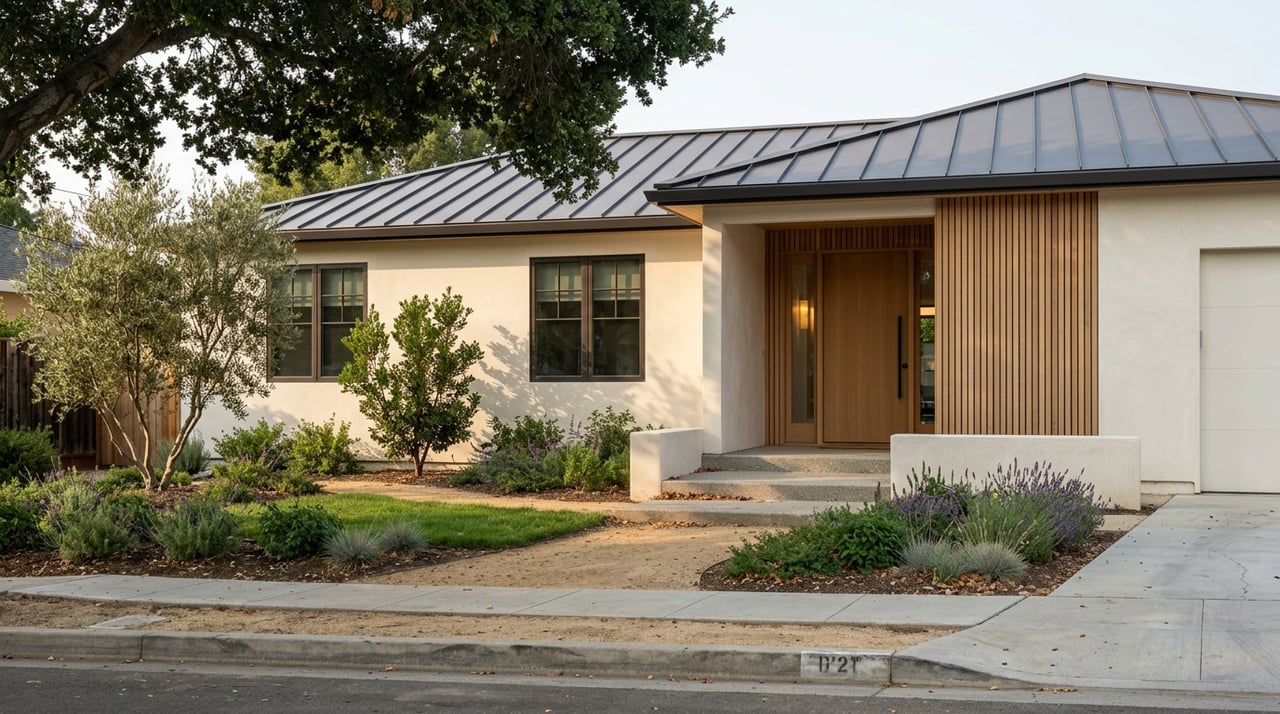
Santa Rosa Neighborhood Guide for Buyers by Lifestyle
June 11, 2026
June 11, 2026
Wondering which Santa Rosa neighborhood fits the way you actually want to live? That is one of the biggest questions buyers face here, because Santa Rosa is not one uniform market. It is a collection of distinct neighborhoods, each with its own housing style, daily conveniences, and trade-offs. In this guide, you will get a practical look at the areas buyers ask about most so you can narrow your search with more confidence. Let’s dive in.
Santa Rosa works best as a set of micro-markets rather than a single suburban city. Some areas are centered on historic homes and walkable streets, while others are shaped by park access, transit convenience, or newer construction.
The city’s historic core includes Downtown, Railroad Square, Cherry Street, St. Rose, West End, McDonald, Ridgway, Burbank Gardens, and Olive Park. On the east and southeast side, neighborhoods connect more closely to Howarth Park, Spring Lake, and Trione-Annadel State Park. In north and northwest Santa Rosa, areas like Fountaingrove and Coffey Park reflect newer development, rebuilding, and infill.
That local variety matters when you buy. The right fit often comes down to what you value most in daily life: character, commute access, outdoor recreation, newer housing, or a more specific lifestyle setting.
If you are drawn to older homes, architectural detail, and central access, Santa Rosa’s historic core deserves a close look. These neighborhoods tend to offer the city’s strongest sense of place, along with easier access to Downtown services and transit.
Downtown Santa Rosa and Railroad Square sit at the center of the city’s transit and walkability story. The Downtown Station Area is organized around Courthouse Square, Railroad Square, the SMART station, and the Downtown Transit Mall.
For buyers, that usually means better access to restaurants, shops, services, and transit in one area. It also means a more urban setting, with more activity and density than you may find in the city’s suburban neighborhoods.
These neighborhoods are among the oldest parts of Santa Rosa. City historic materials describe Cherry Street as one of the oldest neighborhoods in the city, with the highest concentration of 19th-century buildings.
West End is known for small bungalows and Queen Anne or Colonial cottages, while St. Rose includes homes dating from the 1870s through the 1940s. If you want character and a streetscape that feels established, these areas often stand out.
McDonald is known for elegant Victorian-era homes along with later bungalows, giving it a distinctive architectural mix. Ridgway and Burbank Gardens also sit within the close-in historic pattern that appeals to buyers who want central location and older housing stock.
These neighborhoods can be a strong fit if you value design, history, and mature surroundings. They may be less appealing if your priority is brand-new finishes or a low-maintenance exterior.
In Preservation Districts, exterior changes may be subject to historic review. Many projects can require a Landmark Alteration Permit, depending on the property and the work being proposed.
That does not make these neighborhoods harder to buy. It simply means you should go in with clear expectations if you want to remodel, expand, or make visible exterior updates after closing.
The Junior College district is another central option that many buyers like for its close-in feel. The city describes the area as home to Santa Rosa Junior College and Santa Rosa High School, with casual dining, coffee shops, and youth-oriented shopping nearby.
If you want a neighborhood with local activity and convenient access to central Santa Rosa, this area can be worth considering. It often appeals to buyers who want a balance between established neighborhood character and everyday convenience.
If your priority is parks, trails, and a more traditional suburban pattern, the east and southeast side often rises to the top. This part of Santa Rosa connects well to some of the area’s most used outdoor spaces and neighborhood shopping hubs.
Montgomery Village is identified by the city as a major shopping center at Farmers Lane and Montgomery Drive. Bennett Valley and Annadel also have neighborhood-serving shopping that supports daily errands close to home.
For buyers, these areas can offer a practical lifestyle. You may find it easier to combine residential living with regular access to stores, dining, and outdoor recreation.
Lakeside & Mission is described by the city as an area near Howarth Park. Rincon Valley is served by shopping centers such as Montecito and Saint Francis, which adds convenience for day-to-day needs.
These neighborhoods often attract buyers who want suburban comfort with established amenities nearby. If weekend recreation is part of your routine, this side of town can make that easier.
This is the part of Santa Rosa most closely tied to Howarth Park, Spring Lake, and Trione-Annadel State Park. Howarth Park includes Lake Ralphine, courts, picnic areas, trails, and amusement features. Spring Lake offers nearly 10 miles of trails, camping, a swimming lagoon, and direct trail connections to both Howarth and Trione-Annadel.
Trione-Annadel adds more than 45 miles of trails, giving east-side buyers direct access to one of the region’s biggest recreation assets. If being near trails, water recreation, and park space is high on your list, this area deserves serious attention.
City neighborhood materials describe Edgewood Farms as mainly mid-century ranch-style homes located above and adjacent to Howarth Park and Spring Lake. That makes it a helpful example of the east-side suburban pattern many buyers are looking for.
If you picture Santa Rosa living as a classic neighborhood with outdoor access close by, this is the type of setting that often comes to mind.
Oakmont stands apart from other Santa Rosa neighborhoods because it is specifically oriented around an adult-community lifestyle. The Oakmont Village Association describes it as Northern California’s adult community, with more than 4,500 residents, clubs, events, and a shuttle.
For the right buyer, that built-in structure can be a major benefit. If you want an age-oriented setting with organized activities and resident services, Oakmont offers a very different experience from a typical all-ages neighborhood.
That said, it is important to match the neighborhood to your goals. Buyers looking for a more conventional neighborhood setting may prefer other parts of Santa Rosa.
If you are focused on newer construction, rebuilt infrastructure, or a less historic housing pattern, Fountaingrove and Coffey Park are two of the clearest areas to explore. Both reflect Santa Rosa’s more recent growth and recovery story.
The city identifies Fountaingrove as a distinct area with multiple active or proposed projects, including detached single-family homes and multifamily or senior housing proposals. That gives the area a more current development pipeline than the city’s historic neighborhoods.
Fountaingrove also offers access to Nagasawa Community Park, which includes trails, a pond, fishing, picnic tables, and a boat ramp. For buyers who want a newer or evolving housing environment with open, hillside character, this area can be a strong fit.
Coffey Park has a different feel. It is a defined city area with an active neighborhood organization, and current infrastructure work like the Hopper Avenue recovery project is tied to the long recovery from the 2017 Tubbs Fire.
For buyers, Coffey Park is best understood as a rebuilding-and-renewal market. It can appeal to those who prefer a more updated feel over historic architecture, while also recognizing the area’s recent recovery history.
Roseland is the clearest transit-oriented district in southwest Santa Rosa. The Roseland/Sebastopol Road Specific Plan focuses on the area around the Southside Bus Transfer Center and supports transit-oriented land uses, walking, biking, and infrastructure improvements.
The city also identifies Roseland as the primary shopping area in southwest Santa Rosa. That combination makes it especially relevant for buyers who prioritize everyday convenience and transit access over a quieter, lower-density setting.
Roseland is also evolving. In 2025, the city announced Casa Roseland, a 75-home affordable apartment development with one-, two-, and three-bedroom units as part of the broader Tierra de Rosas effort to expand housing choice and support economic resiliency in the area.
The best neighborhood is usually the one that matches your routine, not just your wish list. As you compare areas, it helps to be honest about what matters most once the excitement of touring homes wears off.
Ask yourself questions like these:
Those questions can quickly narrow your search. In Santa Rosa, neighborhood fit often matters just as much as square footage or price point.
When buyers are relocating or still learning the city, I often recommend looking at Santa Rosa in clusters. Compare the historic core together, then the east-side park neighborhoods, then the newer or recovery-focused areas, and finally the transit-oriented districts.
That approach makes the trade-offs easier to see. You are not just comparing homes. You are comparing the way each part of Santa Rosa supports your day-to-day life, future plans, and comfort level with maintenance, commute, and neighborhood setting.
Santa Rosa has real depth for buyers, which is part of what makes it such a strong Sonoma County market. If you want help narrowing the field and understanding which micro-markets best fit your goals, connect with Joe Henderson.
Stay up to date on the latest real estate trends.
Work with Joe Henderson and experience the difference of true professionalism and consistency in service. Your goals are our mission—partner with Joe for a seamless, rewarding real estate journey.