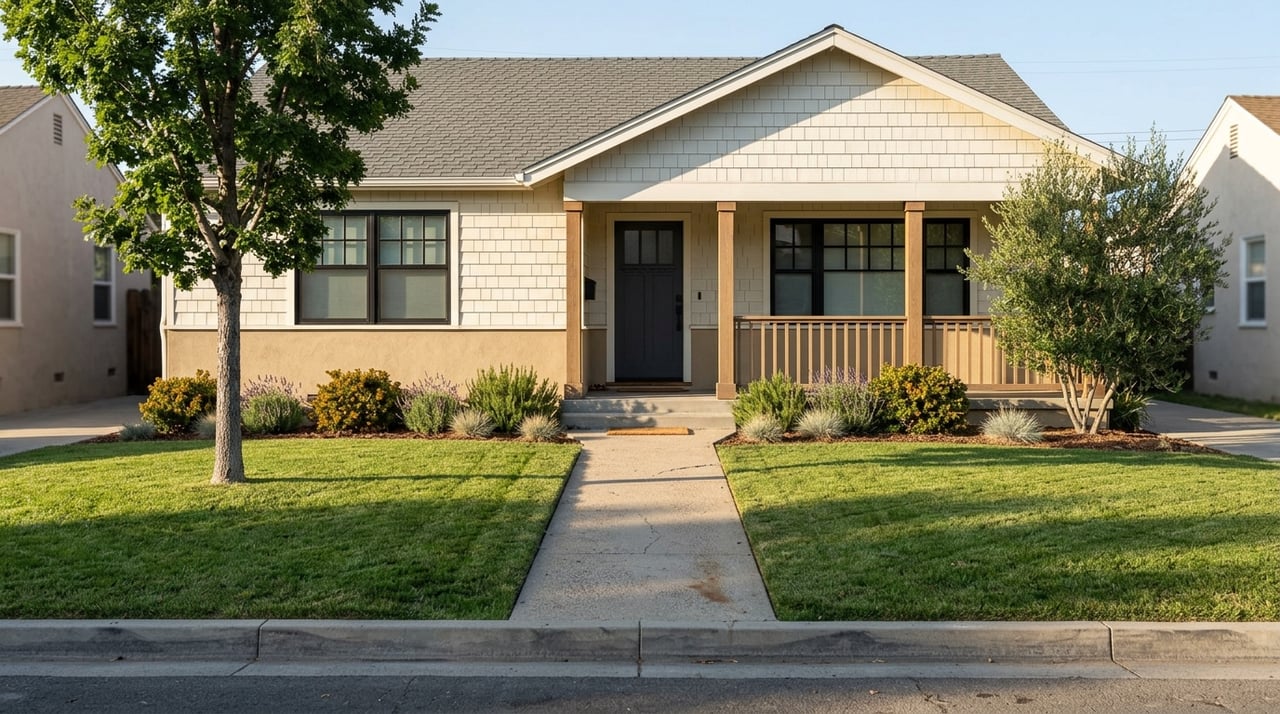
Choosing Between Newer And Established Homes In Windsor
July 2, 2026
July 2, 2026
If you are house hunting in Windsor, “newer versus established” is rarely a simple age question. In this market, most homes are not brand-new construction, and the real difference often comes down to layout, lot size, upkeep, and how you want your day-to-day life to feel. This guide will help you compare Windsor homes with more clarity so you can focus on the trade-offs that matter most to you. Let’s dive in.
In Windsor, newer homes often mean late-20th-century or early-2000s homes rather than brand-new subdivisions. According to the Town of Windsor Housing Element, about 60.28% of housing units were built from 1980 to 1999, 18.96% were built from 2000 to 2009, and only 1.98% were built in 2010 or later.
That context matters when you tour homes. A “newer” Windsor home may still be decades old, but it can offer a more planned neighborhood layout, more coordinated infrastructure, and features that feel more current than homes in older pockets of town.
Established homes in Windsor often bring a sense of maturity that buyers notice right away. In some areas, that can mean older streetscapes, more established landscaping, and lot patterns that feel different from more recently planned neighborhoods.
Older homes are not spread evenly across town. The Town identifies higher concentrations of homes built before 1960 in the southeastern corner and in the northernmost section east of Highway 101, which means your experience can vary significantly depending on where you search.
One of the biggest differences between newer and established homes is maintenance planning. The Town of Windsor notes that homes over 30 years old may need rehabilitation work such as plumbing repairs, roof repairs, and foundation work.
That does not mean older Windsor homes are broadly in poor condition. In fact, the Housing Element says very few houses or apartment buildings appear to need major repair. In practical terms, many buyers are weighing normal age-related replacement cycles rather than widespread serious defects.
A newer home may give you more confidence around big-ticket systems, especially if the roof, HVAC, water heater, windows, plumbing, and electrical components are newer or have already been updated. That can make budgeting a little easier in the first years of ownership.
Still, age alone does not tell the whole story. A well-maintained established home may compare favorably to a newer home that has deferred upkeep or HOA considerations you need to factor into your monthly costs.
When you tour an older home, it helps to look beyond finishes and staging. Ask about the age and condition of the roof, plumbing, HVAC, windows, electrical systems, and water heater so you can understand what may need attention sooner rather than later.
This is where a disciplined comparison matters. Two homes with similar prices can carry very different ownership costs depending on what has already been replaced and what is coming next.
Many buyers assume newer homes come with bigger yards, but that is not always true in Windsor. Lot size varies widely, and the Town’s planning documents show a clear difference between larger-lot areas and smaller-lot areas across town.
For example, the Housing Element describes the Lakewood Hills area as having large-lot single-unit residences with more green space than other parts of Windsor. By contrast, smaller-lot residential areas are found closer to Highway 101 and nonresidential uses.
This is one of the most important lifestyle questions to answer early. In Windsor, newer planning can mean tighter lot patterns paired with trails, shared open space, or amenity-oriented design rather than a large private backyard.
If you love entertaining outdoors, gardening, or simply want more usable yard space, an established home or a larger-lot area may fit better. If you prefer lower yard maintenance and like the idea of nearby trails or common spaces, a newer planned neighborhood may make more sense.
Some newer Windsor neighborhoods have infrastructure advantages that are easy to overlook at first showing. The Town notes that Vintage Greens was built with recycled-water infrastructure for landscape irrigation, and recycled-water service is only available where dedicated infrastructure exists.
That matters because the Town says recycled water is generally cheaper than potable water where it is available. So depending on the neighborhood, irrigation convenience and landscape costs can look different from one home to the next.
If outdoor upkeep is important to you, ask whether landscape irrigation is tied to recycled water and whether that service is available at the specific address. This is a practical question that can affect both your routine and your long-term costs.
It is also a good reminder that newer neighborhoods are often built around more coordinated systems. Established homes may offer other advantages, but they may not have the same infrastructure setup.
Windsor has a strong community identity, and location within town can shape how your home feels day to day. The Town highlights 19 community and neighborhood parks, including the Windsor Town Green, which hosts events such as Summer Nights on the Green and the Farmers Market.
Downtown Windsor is also being shaped as a transit-oriented, mixed-use center. That suggests established central neighborhoods may feel more connected to Windsor’s public life, while newer subdivisions may feel quieter, more internally focused, and more design-coordinated.
If you want easier access to parks, the Town Green, shopping, and daily errands, an established or more central neighborhood may deserve a closer look. If you prefer a neighborhood that feels more tucked away or more uniformly planned, newer sections may fit your style better.
Neither option is better across the board. The right choice depends on whether you value connection, privacy, walkability, lot size, or lower-maintenance design most.
Windsor’s housing stock is not evenly distributed, and that affects your choices. The Housing Element notes that northeast Windsor tends to favor larger-lot housing and access to green space, while lower-resource areas are more concentrated west of Highway 101 and south of Shiloh Road.
For buyers, the key takeaway is simple: avoid broad assumptions. Two homes with similar square footage can offer very different surroundings, outdoor space, and neighborhood rhythm depending on which part of Windsor they are in.
When you are deciding between newer and established homes in Windsor, it helps to use the same checklist every time you tour. That keeps emotion from overpowering the details.
Here are a few smart questions to ask:
This kind of side-by-side comparison usually leads to better decisions than focusing on cosmetic updates alone.
If you want more predictable upkeep, coordinated neighborhood planning, and possibly infrastructure advantages like recycled-water irrigation, a newer Windsor home may be the better fit. You may also prefer the feel of a neighborhood designed around trails, shared spaces, or more uniform streetscapes.
If you value mature landscaping, larger lots in certain pockets, or a home that feels more rooted in the town’s established fabric, an older home may be more appealing. You just want to go in with a clear plan for maintenance, replacement timelines, and the real cost of ownership.
In Windsor, the best decision is usually not just about age. It is about how you want to live every day, how much upkeep you want to manage, and which neighborhood pattern feels right for your routine.
If you want help comparing Windsor homes with a steady, practical lens, Joe Henderson can help you evaluate the trade-offs and move forward with confidence.
Stay up to date on the latest real estate trends.
Work with Joe Henderson and experience the difference of true professionalism and consistency in service. Your goals are our mission—partner with Joe for a seamless, rewarding real estate journey.