Living In Santa Rosa: Wine Country Lifestyle Snapshot
February 12, 2026
February 12, 2026
What if you could spend Saturday morning at a farmers market, hike a ridge trail by late afternoon, and still be 10 minutes from dinner downtown? If you are weighing a move to Santa Rosa, that mix of wine-country charm and daily practicality is the draw. You want lifestyle without losing the basics like schools, shopping, healthcare, and commute options. This snapshot gives you a clear picture of how life flows here, from neighborhoods and parks to transportation and real-world tradeoffs. Let’s dive in.
Santa Rosa is Sonoma County’s largest city and its service hub. You get a functioning downtown core, established neighborhoods, hillside view homes, and quick access to surrounding vineyards. The climate is Mediterranean, so expect wet winters and warm, dry summers.
The local economy spans healthcare, county and city services, education, tourism, and small manufacturing. You will feel the wine industry around you, yet daily life runs on reliable city amenities. That balance is a big reason many buyers choose Santa Rosa over smaller wine-country towns.
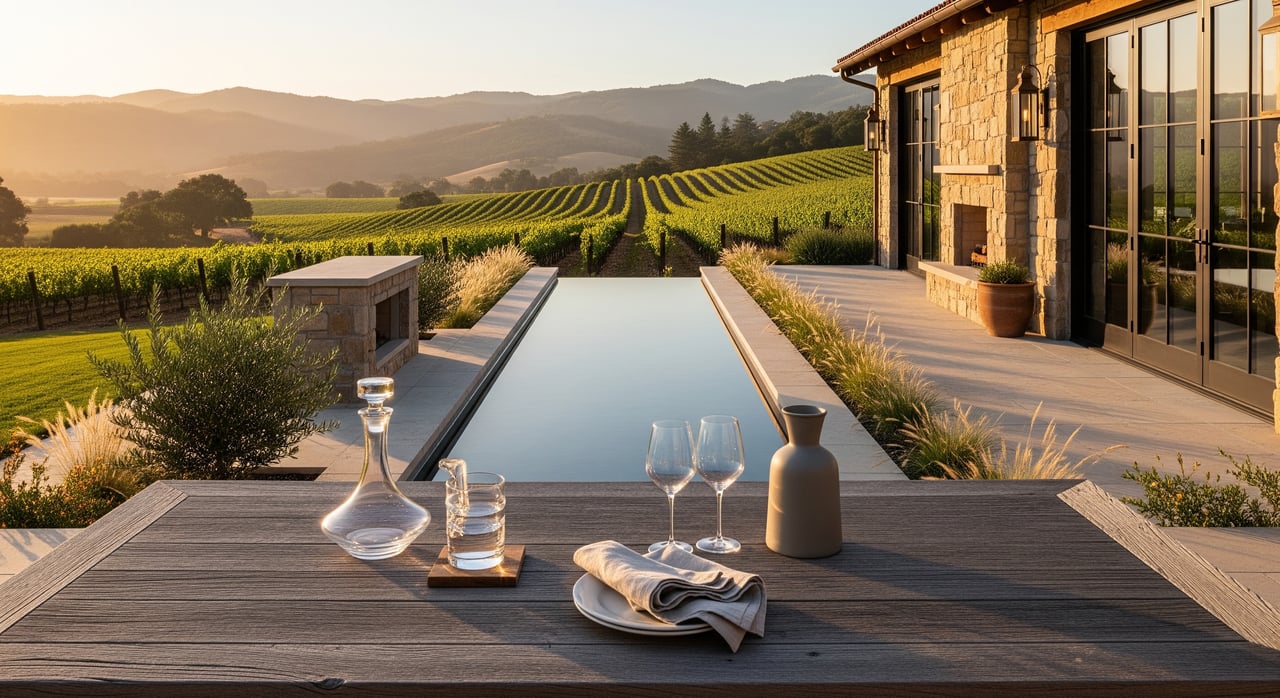
You are minutes from tasting rooms and a short drive to signature appellations like Russian River Valley and Dry Creek. While many vineyard estates sit outside city limits, Santa Rosa works well as a home base for wine exploring. For an overview of local flavor and upcoming events, browse the visitor guide from Visit Sonoma County.
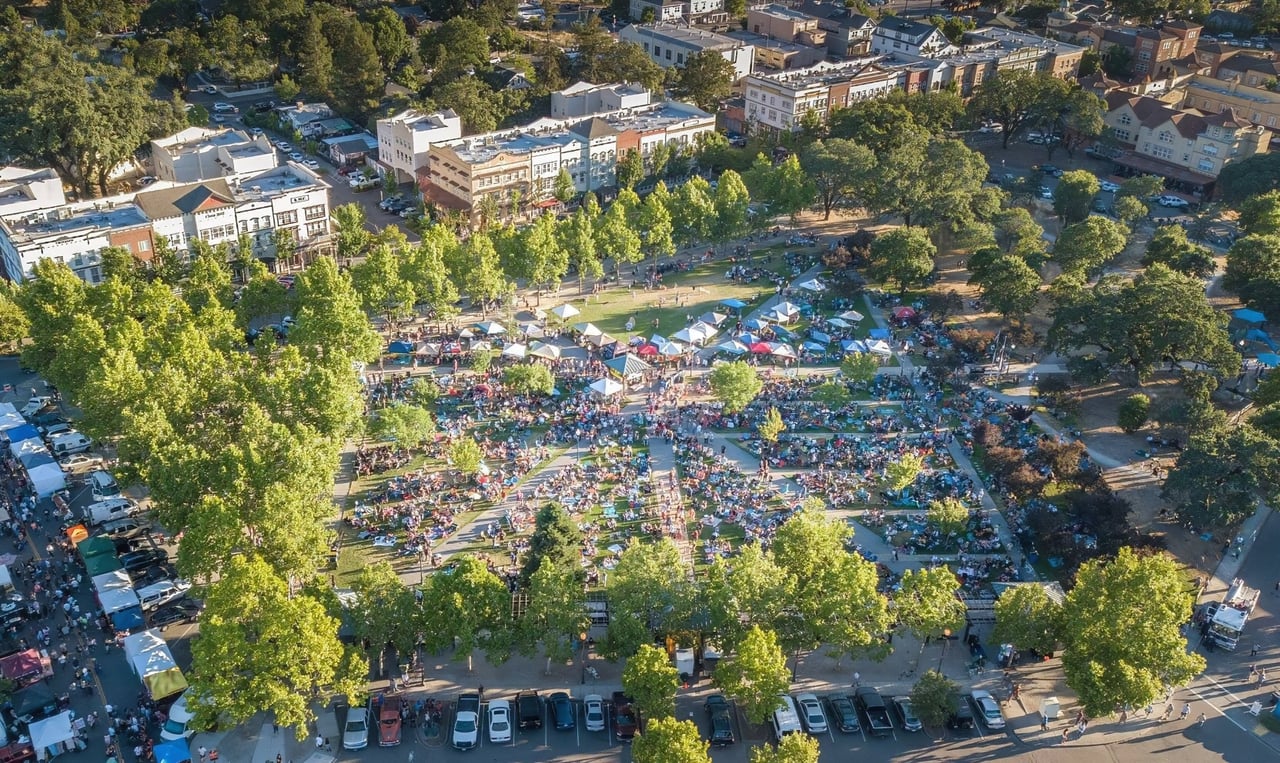
Food is a year-round highlight. You will find farm-to-table restaurants, neighborhood cafes, global cuisines, brewpubs, and artisan bakeries. Farmers markets pop up across the city in season. The Sonoma County Fairgrounds also brings frequent events that add to the food and festival calendar.
What this means for you: you can enjoy wine-country experiences on your schedule, then slip back into a regular weeknight routine without living far out on a rural lane.
If you like to be outside, Santa Rosa makes it simple. You have ridge hikes, lake loops, and bike trails close to home.
Beyond the city, you can reach the Russian River or the Sonoma Coast within a day trip. Many residents build weekend rhythms around river floats, beach walks, and picnic stops with local produce.
Santa Rosa covers a wide range of home types and price points. Each area has a distinct feel, commute pattern, and housing stock. Here are quick sketches to help you narrow the search:
Tradeoffs to consider: proximity to tasting rooms and event venues can mean more weekend activity. Hillside lots can offer views and newer builds, but also require attention to slope, drainage, and wildfire preparedness.
Santa Rosa runs like a full-service city. You have grocery options across town, municipal parks, and community programs managed by the city. For an overview of services, visit the City of Santa Rosa.
Public school boundaries vary across multiple districts and can shift over time. Many families verify school options early in the home search by checking district websites and confirming attendance zones directly.
For higher education, Santa Rosa Junior College anchors workforce and transfer programs. Explore offerings at the SRJC. Healthcare is a local strength, with full-service hospitals and specialty providers within city limits, which is helpful for routine and urgent care.
US‑101 runs north to south through town and links Santa Rosa to Marin and the greater Bay Area. State Route 12 connects east to west and ties into nearby wine regions. Many residents commute within Sonoma County, while trips to San Francisco or the East Bay are feasible but longer.
SMART commuter rail provides another option, with stations in downtown and north Santa Rosa. It connects toward Marin and links to ferry services for Bay Area commutes. See routes and schedules at SMART.
For travel days, the Charles M. Schulz–Sonoma County Airport sits on the city’s northwest side. You can check destinations and carriers at the official STS Airport.
Wildfire awareness is part of living in much of Northern California, and Santa Rosa is no exception. The 2017 Tubbs Fire affected neighborhoods such as Coffey Park and Fountaingrove. Since then, local agencies have strengthened building codes, defensible-space rules, and evacuation planning.
Before you write an offer, take time to review a property’s landscape, defensible space, and construction materials. It is also smart to understand evacuation routes and local fire maps. You can start with Cal Fire and the Sonoma County Office of Emergency Services at SoCoEmergency.
Insurance is another consideration. Availability and premiums vary by location and property features. An independent insurance broker can give you a property-specific read on coverage options.
Santa Rosa often prices below the very highest-cost Sonoma County towns, yet above many national averages. Neighborhood-level affordability can vary widely, so it pays to look at micro-markets and recent sales as you focus your search.
California property taxes follow Proposition 13, which generally sets the base levy at about 1 percent of assessed value plus local assessments. New construction or major remodels can change assessed value. Your net payment will depend on the specific parcel and community facilities district fees.
The market shifts with inventory, interest rates, and Bay Area migration patterns. When you are ready, review the most current local data and then align your offer approach with that snapshot.
Ready to make a move or just want a local sounding board? Reach out to Joe Henderson to talk through neighborhoods, tradeoffs, and a step-by-step plan that fits your goals.
Stay up to date on the latest real estate trends.
Work with Joe Henderson and experience the difference of true professionalism and consistency in service. Your goals are our mission—partner with Joe for a seamless, rewarding real estate journey.